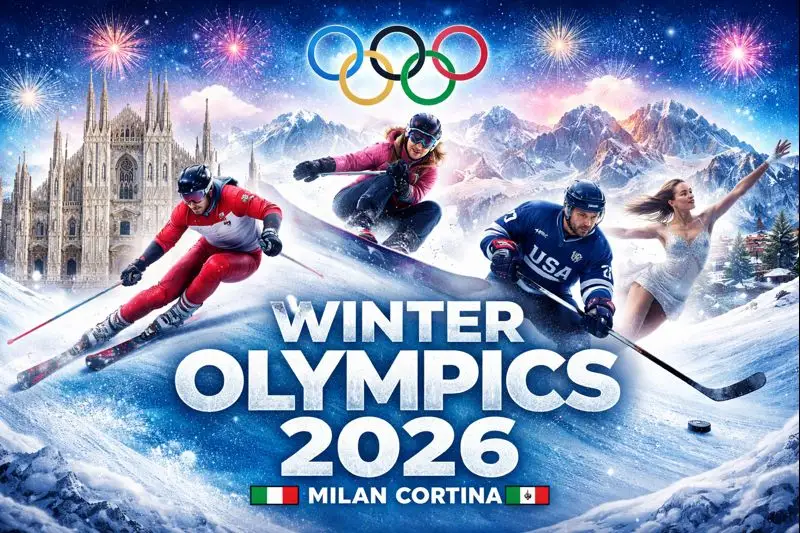
The men’s figure skating competition at the 2026 Winter Olympics has quickly become one of the most talked-about events of Milano Cortina 2026. Hosted across the iconic Italian cities of Milan and Cortina d’Ampezzo, this year’s Games have delivered high drama, technical brilliance, and historic performances that are already being etched into Olympic history. With a new generation of skaters pushing athletic boundaries, the competition has evolved into a breathtaking blend of power, artistry, and risk.
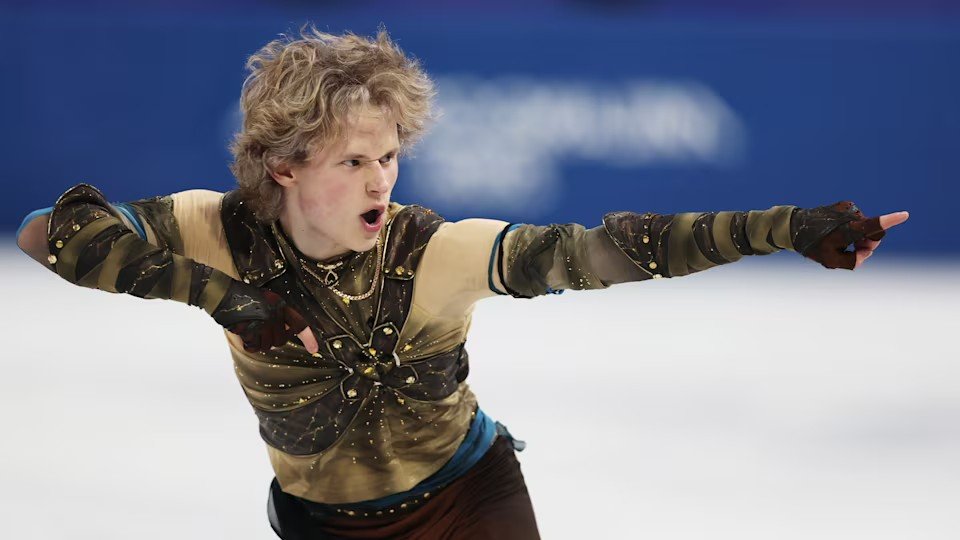
At the center of the spotlight is American sensation Ilia Malinin, widely known as the “Quad God.” Malinin entered the Games as a favorite and has lived up to every expectation. His short program performance was a masterclass in technical precision, packed with ultra-difficult quad jumps executed with control and confidence. However, it was his daring Olympic backflip that truly ignited global attention. Once banned from competition and rarely seen on the Olympic stage, the move symbolized not just flair but a fearless new direction for the sport. Malinin is not simply competing for gold he is redefining what men’s figure skating can look like in the modern era.
The competition, though, is far from a one-man show. Japan’s Yuma Kagiyama has delivered performances filled with explosive speed, seamless transitions, and technical cleanliness that keep him firmly in medal contention. Meanwhile, France’s Adam Siao Him Fa has brought dramatic intensity and ambitious layouts that combine artistry with high-risk technical elements. The battle heading into the free skate has been razor-close, and as history has shown, one imperfect landing can completely reshape the podium.
The structure of Olympic men’s singles figure skating adds to the suspense. Scores from the short program and the free skate are combined, meaning consistency is crucial. While the short program establishes early positioning, the free skate is where Olympic legends are made. With longer routines and greater artistic freedom, skaters attempt more complex jump combinations and emotionally powerful choreography. In Milano Cortina, the free skate round has carried immense weight, with every element capable of shifting the final standings.
Beyond the individual showdown, the team figure skating event also added momentum to the Games. Strong collective performances, particularly from Team USA, reinforced the country’s depth in figure skating and heightened expectations around Malinin’s individual campaign. The atmosphere inside the arena has reflected that intensity of electric crowds, dramatic pauses before scores are revealed, and visible emotion from athletes who have trained their entire lives for this moment.
This edition of the Olympics feels different for another reason: the technical revolution in men’s skating is undeniable. Quad jumps are no longer rare highlights but expected components of elite programs. Athleticism has increased dramatically over the past decade, yet the artistic storytelling and the emotional connection with music and audience remains essential. The 2026 Games perfectly showcase this balance between power and performance, precision and passion.
For viewers eager to follow the action live, coverage is widely available. In the United States, NBC and USA Network are broadcasting major sessions, with streaming available through Peacock. In India, Sports18 is airing the event on television, while JioCinema and JioHotstar are providing digital streaming access. Due to the time difference with Italy, viewing times may vary, but replays and highlights ensure fans don’t miss the medal moments.
As the final scores settle and medals are awarded, one thing is certain: the men’s figure skating event at the 2026 Winter Olympics will be remembered as a defining chapter in Olympic history. Whether it’s Malinin’s quad dominance, Kagiyama’s precision, or Siao Him Fa’s artistry, Milano Cortina has delivered a spectacle worthy of the Olympic stage.