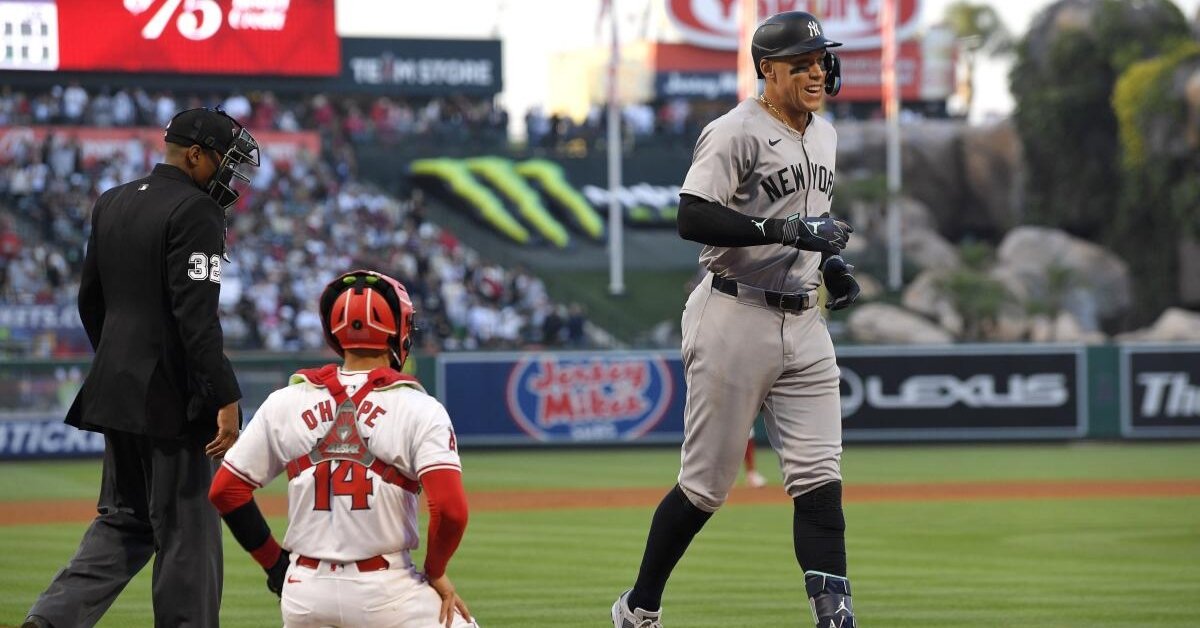
Home Run for Anaheim Act Explained: It’s not a trade, a playoff, or a big player that has the baseball fans of California in a stir, but rather a matter of their favorite team and their personal views on the game. The focus is on the concept of identity, history, currency, and the future of one of major league baseball’s most iconic brands, the Los Angeles Angels.
The recently enacted “Home Run for Anaheim Act” passed by the California Assembly may seem like a boon to Anaheim residents, but many sports analysts and longtime baseball fans are dubious that it would be best for the Angels in the long run. The law was designed to provide Anaheim with some recognition but critics say that the law doesn’t reflect how sports businesses work today.
For many fans, the name of their team is not just a name. It taps into what makes people feel attached to the game of baseball, state pride, and what keeps professional sports alive—the business considerations.
Why Sports Teams Go with Larger Market Names
Today, not only are teams competing on the field. They’re also pitching for viewers on TV, sponsors, fans who stream their shows, a lucrative sales of merchandise, and fans from around the world who want to see them. This is why franchises typically opt for a name that includes the big media markets rather than just the city they’re playing in.

In Los Angeles, for instance, the Angels are employing this option. Though the team is based in Anaheim, it benefits from the use of “Los Angeles” in order to reach a much greater portion of the Southern California market.
This is nothing new in professional sports. The New York Giants and New York Jets are in fact located in the state of New Jersey. The Dallas Cowboys are based in Arlington, TX. The Golden State Warriors might be relocated to San Francisco, but they’re a team from an entire region.
Teams opt for wider market identities as the larger the audiences, the more revenues. The larger the viewership, the greater the sponsors, TV deals and commercial opportunities. In the field of sports, visibility can translate into wealth.
The Angels’ Deep Historical Connection to Los Angeles
It is a common misconception that the Angels were only recently tied to Los Angeles, but they have a history of being linked to L.A. dating back over 100 years. The original Los Angeles Angels were a part of the Pacific Coast League in 1903, long before the modern MLB team.
The team was hugely popular in Southern California and helped promote baseball culture on the West Coast many years before the Dodgers and Giants came to California in 1958.
Some baseball historians refer to the original Angels logo and identity as having had an impact on baseball branding in Los Angeles for decades. Despite the fact that there is no official link between the old PCL team and the current MLB team, their history still has a significance to long-time baseball fans.
Due to that history, many fans feel it is a tribute to the area’s rich baseball tradition to maintain the “Los Angeles Angels” identity.
Why Critics Believe the Act Could Hurt the Angels
The major controversy about the Home Run for Anaheim Act is the economic effect. Local broadcasting deals and regional sponsorships are key to Major League Baseball teams’ success. In contrast to the NFL, revenue sharing in baseball is more limited and therefore the size of the local market becomes a significant factor.
The Los Angeles media market consists of millions of people from various counties and cities. Fans connect with teams with the Los Angeles identity, from Long Beach to Riverside, and from Santa Clarita to San Clemente.
The critics are concerned that the brand “Angels” might lose its regional appeal in the long term if it’s limited to Anaheim. Sponsors want to gain the most exposure possible when investing in sports partnerships. The larger companies like to reach millions of people in Southern California instead of a smaller market.
This broader branding also draws talent to the team, cultivates effective business relationships, and financially keeps teams competitive.
Local pride is understandable, but Sport has changed
The citizens of Anaheim can take pride in their city. For generations, Angel Stadium has been a part of Anaheim, and the City deserves to be better known than Los Angeles.
But the bill’s critics say the emotional issue shouldn’t come at the expense of business realities. The Angels are all afoot in Anaheim. The site had never been closed to the public.
The question is, whether the change of the brand will drive the growth of the franchise or it will just meet the political and emotional needs of a small group of people.
In today’s entertainment-focused world, sports organizations have to have the largest number of viewers they can to stay alive and win.
Anaheim Act Explained: The future of the Angels may be in jeopardy
Changing a name is not the only worry. Some say that losing the “Angel’s” brand might have a bearing on their TV negotiations, sponsorship value, merchandise sales and future franchise expansion.
Today’s sports teams are international entertainment brands. Each brand decision has the potential to impact on fan engagement, advertising revenue and popularity.
Los Angeles is one of the most powerful sports markets in the country, and that’s what the Angels have.The Angels have a connection to L.A. which gives them one of the most potent sports markets in America. If that changes, it can be difficult to overcome them in more than just the realm of local politics.
FAQs
What is Home Run for Anaheim Act about?
The bill is designed to force the Angels to officially represent Anaheim, rather than Los Angeles.
What is the reason that sports teams have bigger city names?
Teams leverage larger media markets to maximize exposure, sponsorships and profits.
Do the Angels play in LA?
No, the home of the Angels is Angel Stadium in Anaheim, CA.
Why is it significant that the name of Los Angeles is included?
The Los Angeles identity is tied in with a huge media market and historical baseball origins.
Would the Act have financial repercussions for the Angels?
It may have significant negative effects on the future of the area’s appeal, sponsorship value and revenue potential.
Disclaimer: This article should be viewed for information and as an opinion piece. The views shared in this discussion are a result of publicly available forums, sports business research and events, and historical anecdotes regarding the Los Angeles Angels and the Home Run for Anaheim Act. The information provided herein is subject to change in future legal decisions, MLB policies or with official team action.
Also Read:
Chicago Sky vs Dallas Wings Injury Report 2026: Skylar Diggins Returns, Rickea Jackson Out
Arsenal vs Burnley: Mikel Arteta Urges Arsenal to Finish Premier League Title Race
Brand Risk 14 Results: Johnny Manziel vs Bob Menery Fight Card Live Updates