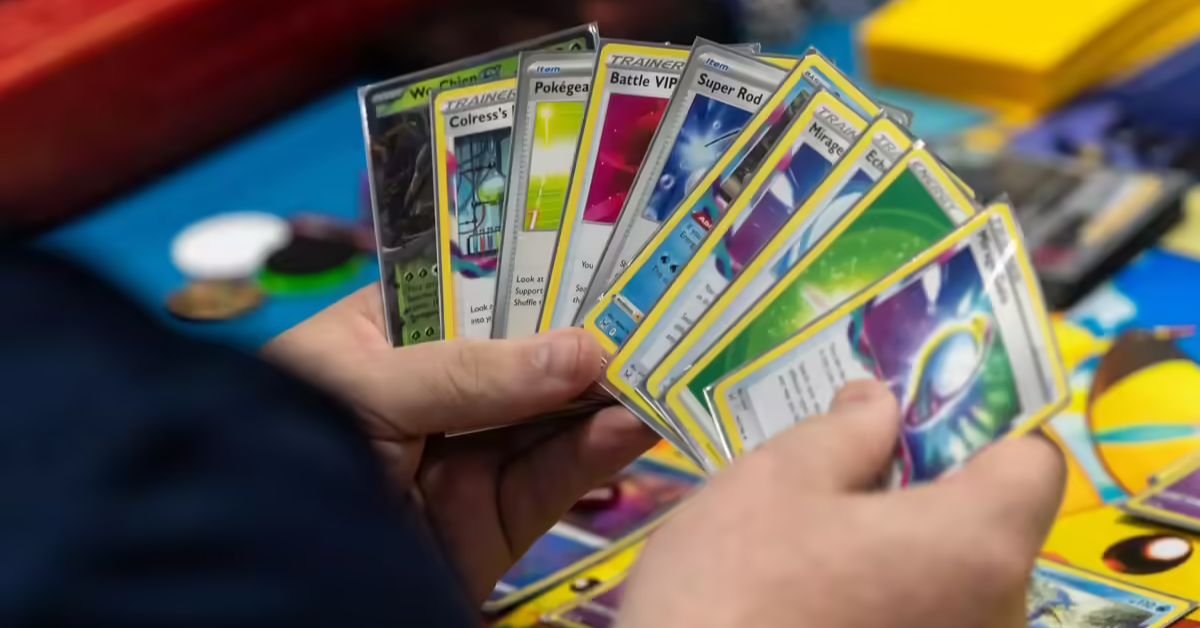
Japan Trading Card Market Regulation: In the past, trading cards were just a part of childhood activities when kids swapped cards with their friends during school vacations. Nowadays, those same cards are worth thousands, if not millions, of dollars.
This dramatic shift has sparked interest in this game’s trading card market among the governments of the world, and now Japan, where some of the world’s most beloved franchises, such as Pokémon and Yu-Gi-Oh!, were born, is looking into potential rules for its own trading card market.
Why Is Japan Considering Trading Card Regulations?
The Japanese government has recently set up a working group of the ruling Liberal Democratic Party (LDP) to examine the rapidly growing trading card market. Because of the financial value of trading cards, which has grown over the last few years, they are no longer an ordinary consumer product, and some serious issues have arisen, according to the group.
The market has grown significantly over the last few years, and not just collectors are interested in investing in it, but also investors and traders, officials noted. With prices still rising, fake cards and illegal transactions are becoming more prevalent, which is why it is an important issue for policymakers. It is believed that if the right guidelines are implemented, it will be possible to keep the trust in the industry and continue its development.
The Trading Card Market Has Changed Dramatically
Card trading has become more than just a hobby or an inexpensive collectable; it has evolved into an investment opportunity. Nowadays, rare cards can be sold for mind-boggling prices in auctions and private sales, and the market has become more competitive than the traditional one of artwork or a luxury watch.
The sale of a rare Pokémon Card that belongs to a YouTuber by the name of Logan Paul came into the spotlight in February, when it sold for about $16 million. This is a testament to the value of such collectables as they are selling records.
There are several reasons for this explosive growth:
- A rise in the demand for rare collectable cards on the international market.
- More and more adult collectors are taking an interest in Pokémon and Yu-Gi-Oh! collections.
- High-value card collections promoted by social media influencers.
- Professional grading services increasing buyer confidence.
The evolution of the industry has made traders more willing to think of trading as a way to invest in a more permanent asset rather than a hobby item.
Japan’s Trading Card Industry Is Growing Rapidly
Trading cards have also translated to impressive financial growth, which is a popular pastime today. The government’s findings show the domestic trade in trading cards grew by around 90% to ¥338 billion (around $2.1 billion) in the previous four years up to 2025.
This impressive expansion underscores the importance of this growing market and the value of the market to the manufacturer as well as to the collector, retailers, auction houses and investors. With more cash entering the market, it’s thought that there might need to be stronger regulation to stop criminal activity and ensure fair trading practices.
Concerns Over Counterfeiting and Money Laundering
The main impetus for the talks in Japan is the danger of high-cost trading cards being involved in illegal activities. Nowadays, counterfeit items are much more sophisticated because rare items can now be worth a lot of money. Identifying fake cards is getting more difficult, which poses a financial risk to collectors and investors.
Officials also worry that important trading cards may be used in money laundering due to their high mobility, lack of standardised valuation, and ability to be traded privately. Such concerns have prompted policymakers to consider measures to promote transparency without chilling work or collecting, and to maintain the incentive to engage in both.
Card Prices Are Largely Controlled Outside Japan
Another topic that was discussed during government discussions is how the value of trading cards is decided. While Pokémon and Yu-Gi-Oh! are Japanese products, market prices are also greatly affected by a U.S.-based grading company, officials said. A lot of collectors use card grading scores for buying and selling cards, as professionally graded cards are worth much more.
This reliance on foreign price standards presents problems for an industry which has been developed around Japanese intellectual property, say some Japanese policy makers. The government would like to take a closer look at the possibility of a greater Japanese influence on the future of the Japanese trading card market.
Japan Wants Balanced Regulations, Not Heavy Restrictions
The discussions are being led by an older Liberal Democratic Party lawmaker, Seiji Kihara. Kihara has stressed that Japan should not have too strict measures that could hurt innovation or drive companies out of the country. He mentioned Japan’s domestic rules and regulations surrounding cryptocurrencies that have made it an attractive place to move businesses.
Rather, the lawmakers are looking to create sensible policies that:
- Tip collectors off on fraud and counterfeit products.
- Respect intellectual property and creators in Japan.
- Facilitate the growth of a healthy industry.
- Keep Japan’s position as the leader of the trading card market worldwide.
The combination of these two elements may enable the industry to grow and lower its financial and legal risk.
What Happens Next?
The newly created government caucus is tasked with coming up with policy recommendations on the future of the Japanese trading card industry.
Lawmakers will consult with:
- Trading card manufacturers
- Industry experts
- Retail businesses
- Other market participants
The talks will come to an agreement on the kind of regulations that should be put in place, if any, without hurting Japan’s globally renowned card brands.
The government has shown more interest in trading cards recently, and while they have yet to release final regulations, it is evident that trading cards are no longer seen as just children’s toys.
The outcome will have an impact not just on Japan’s home market, but on the future of the global trading card industry as well, as discussions continue. The upcoming months could prove to be a pivotal moment in the life of one of the fastest-growing collectables markets in the world for collectors, investors and gaming lovers.
Frequently asked questions
Why is the Japanese government planning to regulate the trading card industry?
Japan is worried about the possibility of using high-value trading cards for money laundering, counterfeit cards, and rising card values.
What is the size of Japan’s trading card market?
The domestic market has increased by approximately 90%, and will be worth ¥338 billion (around $2.1 billion) by 2025.
Why are the Pokémon cards so valuable?
Their market value has greatly risen due to growing demand around the world, their professional grading, their scarcity and collector interest.
Who is chairing the Government negotiations?
Seiji Kihara, a lawmaker from Japan’s Liberal Democratic Party, is leading the discussions.
Is there any new regulation announced in Japan?
No. The government is now seeking formal policy recommendations from industry and manufacturers after holding consultation meetings.
Disclaimer: This article has been prepared from information contained in the source and does not take into account any other relevant information. Discussions and policy recommendations are still underway with the government, and future regulations and/or any industry changes may differ from the proposals being made.
Also Read:
Crimson Desert Beginner Guide 2026: Best Tips, Combat, Skills and Exploration
How to Get the Blackstar Dragon in Crimson Desert: Unlock Guide, Flight Tips and Cooldown Explained
How to Buy Crimson Desert 2026: All Editions, Prices, Platforms and Pre-Order Bonuses